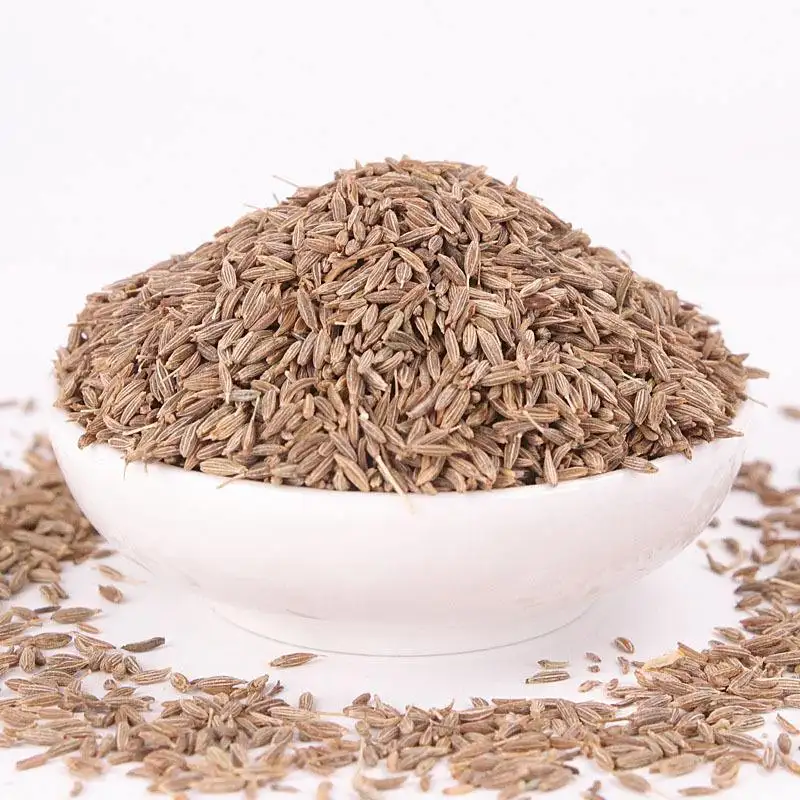
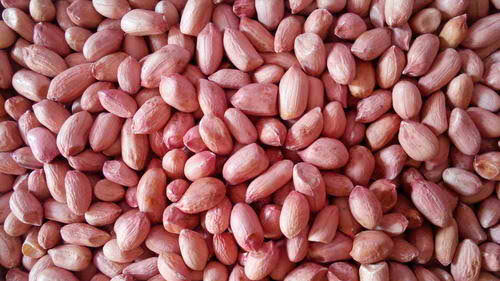
Beans and pulses are staple commodities with exacting trade standards. Getting the specification right up front avoids costly surprises later.
Know your variety and grade
From aduki, kidney and black beans to lentils and peas, each variety has its own size, colour and quality expectations. Always agree the exact variety and grade in writing before ordering.
Watch the moisture
Moisture content is critical for beans and pulses — too high and the cargo risks spoilage and mould in transit. We grade and lab-verify moisture levels so your shipment arrives in sound condition.
Packaging for the journey
Beans and pulses are typically packed in jute or PP bags, often with liners and desiccants for long ocean voyages. We match packaging to the commodity and destination climate, and offer custom bag sizes on request.
Documentation
Importing pulses usually requires phytosanitary certificates and a certificate of origin. We prepare the complete documentation set so your cargo clears customs without delay.
Your pre-order checklist
- Variety and grade agreed in writing.
- Maximum moisture and defect tolerances specified.
- Packaging type and bag size confirmed.
- Destination port and required certificates noted.
Ready to import with confidence?
Tell us your product, quantity and destination port — we reply within one business day.